Olive oil is having a moment. What was once considered just a cooking fat is now (and rightfully so) being praised for its role as a functional food, one that supports gut health, reduces inflammation, and balances hormones. But quality matters, and not all olive oils are created equal.
We talked to Phoebe Liebling (Registered Nutritional Therapist), about why a high-quality olive oil deserves a place at your table.
Olive oil has always been called ‘healthy’, but lately it feels like it’s having a moment. What’s changed?
We’ve realised olive oil is doing far more than just replacing butter or vegetable oils. A really good extra virgin olive oil behaves more like a functional food than a fat.
When it’s high quality and rich in polyphenols, it actively supports your gut, lowers inflammation and even helps regulate hormones. So it’s not just something you drizzle on a salad - it’s something that can genuinely move the needle on your health.
What actually makes extra virgin olive oil so special?
Two main things: oleic acid and polyphenols.
Oleic acid is a monounsaturated fat that’s brilliant for metabolic and heart health. But the polyphenols are where the magic really happens. They’re antioxidant and anti-inflammatory plant compounds.
They’re also what give really good olive oil that slightly peppery, throat-catching finish. If you feel that little kick at the back of your throat? That’s the good stuff.
High polyphenol oils contain significantly more of these beneficial compounds than standard supermarket oils. That’s why quality matters so much.
How does olive oil support gut health?
Your gut bacteria absolutely love polyphenols.
They act like prebiotics, meaning they feed beneficial microbes. That helps increase microbial diversity, which is one of the best markers of a healthy gut.
We also see growth in helpful strains like Lactobacillus and Bifidobacteria, while less helpful microbes are kept in check.
Plus, olive oil supports the gut lining itself. That’s really important if you deal with bloating, food sensitivities, or symptoms linked to a ‘leaky’ gut (read more on that here). A stronger gut barrier usually means less inflammation and fewer digestive symptoms.
Where does olive oil fit in with inflammation?
Chronic, low-grade inflammation sits underneath so many issues: digestive complaints, skin flare-ups, joint pain, hormone imbalances, metabolic problems.
Both oleic acid and polyphenols help reduce inflammatory signalling and oxidative stress.
But here’s the key: it’s dose-dependent. If your olive oil is low in polyphenols, the anti-inflammatory benefits are much smaller. Which is why sourcing, storage and shelf life are so important as these will dictate whether you’re getting liquid gold or not.
It’s a bit like taking a supplement - you want the active ingredients, not the filler.
Hormones aren’t something most people associate with olive oil. How are they connected?
Hormones are deeply influenced by gut health, inflammation, blood sugar balance and liver detoxification - and olive oil supports all of those.
For example:
- Replacing refined carbs or poor-quality fats with olive oil improves insulin sensitivity
- A healthier gut helps metabolise and eliminate oestrogen properly
- Stable, anti-inflammatory fats provide better building blocks for hormone production
This can be especially helpful for things like PMS, heavy periods, perimenopause symptoms, PCOS and general hormone disruption.
It’s such an underrated tool.
Does the type of olive oil really matter that much?
Massively.
A lot of supermarket olive oils are old, over-processed, or very low in polyphenols. You’ll still get fat, but you won’t get many of the therapeutic benefits.
If you’re using olive oil for health, not just flavour, choose a high polyphenol extra virgin olive oil.
What’s the best way to use olive oil day-to-day?
You definitely don’t need to drink it straight (unless you fancy it!).
I suggest:
- Drizzling over cooked vegetables
- Adding to soups just before serving
- Using as a salad dressing base with lemon and herbs
- Turning it into a butter alternative
- Whipping up your own beautiful mayonnaise
Store it somewhere cool and dark, and avoid very high heat to protect those precious polyphenols. As a therapeutic dose I would suggest aiming for 1–2 tablespoons daily.
What’s one thing you want people to remember?
Olive oil isn’t just about heart health anymore. It’s about gut resilience, lower inflammation, and better hormone signalling.
But quality makes all the difference. Choose a high polyphenol oil and think of it as a daily health investment, not just a cooking ingredient.
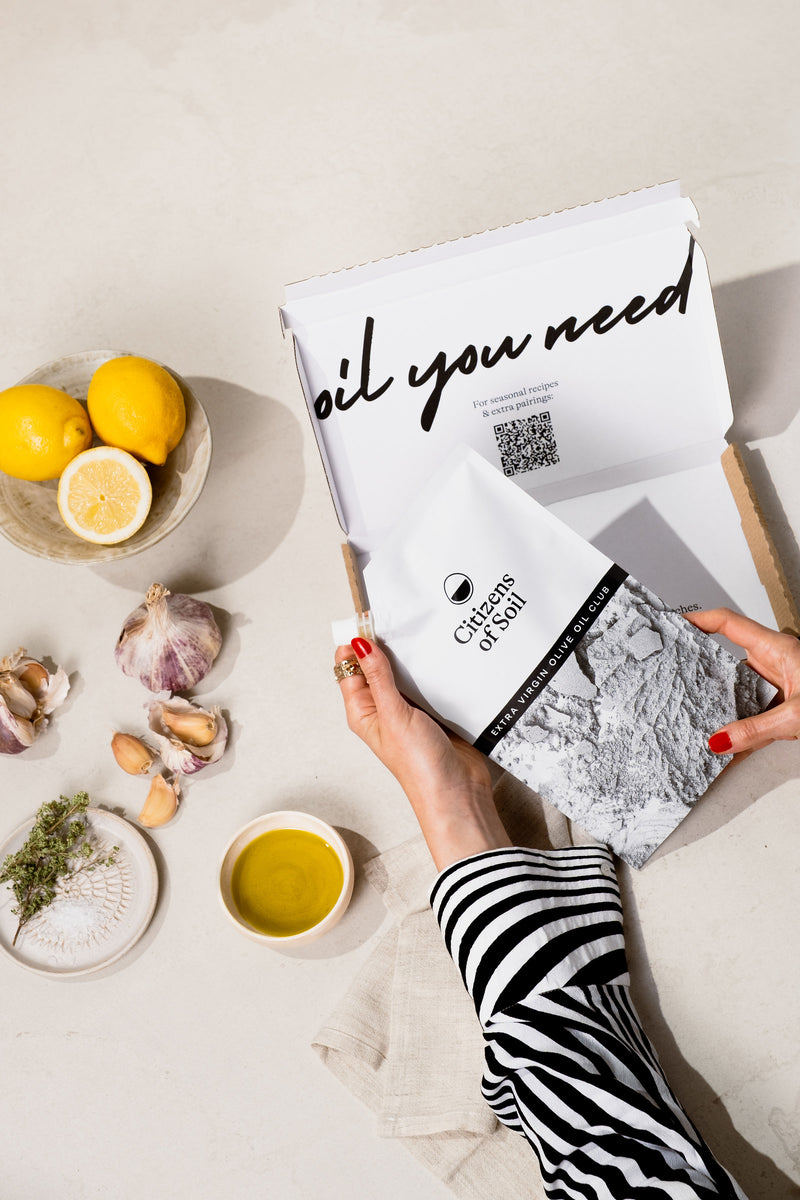
For the most convenient way to get high polyphenol olive oil delivered to your door, join the Olive Oil Club. Sourced by an olive oil sommelier from independent producers working in harmony with nature, these extra virgin olive oils are flavour-led and nutrient-rich. It's your passport to la dolce vita.
Or, for those even more interested in polyphenols, choose the Health Club. No prep, no pills—just pour. These olive oils have more than 7 times as many anti-inflammatory and antioxidant properties as the average supermarket EVOO, and more than *3 times* the level of standard “high polyphenol” EVOO. Boost your health naturally with a spoonful in the morning, or use it raw for heightened intensity of flavour and extra antioxidants.



 Exclusive member offer