

Hydroxytyrosol benefits: the real reason high-quality olive oil matters.
It's not the most pronounceable word in the pantry—we'll give you that. But hydroxytyrosol might just be one of the most important compounds in your diet. It’s also the reason why the scientists and nutritionists who really know their olive oil get a little obsessive about it.
This article was written in partnership with Erin Ridley—a certified olive oil sommelier, as well as a former producer, sensory panelist, and competition judge. Originally from California, she is now based in Madrid, Spain.
If you've been reaching for extra virgin olive oil because it's vaguely good for you but couldn't quite explain why beyond 'Mediterranean diet, right?’, this is the bit that fills in the blanks. Consider this your no-nonsense, evidence-backed, actually-useful, expert guide to what hydroxytyrosol is, what it does, and, crucially, how to make sure you're actually getting it.
Key takeaways:
- Hydroxytyrosol (HT) is a powerful antioxidant polyphenol found primarily in olives and extra virgin olive oil.
- Heart health is the most proven benefit, with EFSA recognising olive oil polyphenols for protecting LDL from oxidative damage.
- HT also helps combat oxidative stress and inflammation, which are linked to many chronic diseases.
- Extra virgin olive oil is the best source, especially high-polyphenol, early-harvest oils.
- Quality matters: many supermarket olive oils contain far fewer polyphenols.
-
About two tablespoons of high-polyphenol EVOO daily can reach the EFSA-recognised beneficial level.
What is Hydroxytyrosol?
Hydroxytyrosol (let's call it HT, for everyone's sake) is a polyphenol, which is a naturally occurring plant compound with seriously impressive antioxidant activity. It lives primarily in olives and olive oil, with smaller amounts in olive leaves and a handful of other places you're unlikely to be eating regularly.
Inside the olive, HT hangs about partly in its free form and partly locked inside a larger molecule called oleuropein. When olives are harvested and pressed, oleuropein breaks down and releases hydroxytyrosol. This is why fresh, early-harvest extra virgin olive oil tends to have the highest concentrations. The olive is essentially doing a slow chemical reveal, and the earlier you catch it, the better.
What makes it genuinely special, rather than just another antioxidant buzzword, is two things: it's absorbed remarkably well by the body compared to most plant compounds, and its free radical scavenging capacity is extraordinary. We're talking outperforming vitamin C and E in certain models. Yes, really.
Hydroxytyrosol benefits
Right, let's get into it. The science on HT has been building for two decades now, and while we're not going to pretend every claim is watertight, the core findings are solid. Here's what the research evidence shows:
1. Supports heart health.
This is where the evidence is strongest, and frankly, it's impressive. Hydroxytyrosol has been shown to protect LDL cholesterol from oxidative damage, which is a key step in the development of arterial plaque and heart disease. The European Food Safety Authority (EFSA) thought the evidence robust enough to approve an official health claim around it. That's not nothing, as the EFSA are notoriously hard to please.
Here’s the breakdown:
- LDL protection: Shields LDL cholesterol from oxidative damage—the critical first step in arterial plaque formation. EFSA-approved health claim territory.
- Blood pressure: Studies suggest that hydroxytyrosol can help your blood vessels work better, and early research hints it may also support healthier blood pressure over time, especially in people whose numbers are already on the high side.
- Reduced platelet aggregation: May reduce the tendency of blood cells to clump, which is relevant for clot risk.
-
Endothelial health: Supports the cells lining your blood vessels, which is one of the better long-term cardiovascular investments you can make.
2. Provides powerful antioxidant protection.
Hydroxytyrosol has one of the highest ORAC (oxygen radical absorbance capacity) values of any natural compound, meaning it's exceptionally good at neutralising the free radicals that cause cellular damage. It protects against oxidative damage to:
- DNA
- Proteins
-
Fats (lipids)
That broad-spectrum cover matters because modern life (pollution, UV exposure, ultra-processed food, stress) creates a lot of oxidative load. Think of HT as a very efficient clean-up crew.
3. Helps modulate inflammation.
Chronic low-grade inflammation is the slow burn behind most modern chronic disease, from cardiovascular problems to type 2 diabetes to neurodegenerative conditions. Hydroxytyrosol doesn't bash inflammation over the head like a pharmaceutical; it works more subtly:
- Inhibits NF-kB signalling: A key pro-inflammatory pathway that, when chronically switched on, causes all manner of downstream misery.
-
Reduces inflammatory cytokines: The chemical messengers that keep the inflammatory fire going when it should have gone out.
The result is a measured, intelligent modulation of inflammation, which is exactly what you want from food, not a blunt suppression of the immune system.
4. Supports metabolic health.
This area is still developing, as most of the direct evidence comes from cell and animal studies rather than large human trials—but the direction is consistent and interesting:
- Improved insulin sensitivity: Relevant for blood sugar regulation and long-term metabolic health.
- Reduced oxidative stress markers: Specifically those associated with blood sugar dysregulation.
-
Effects on fat cell metabolism (adipogenesis): Early evidence suggests a role in how the body processes dietary fat.
The bigger picture here is epidemiological: populations eating plenty of high-quality olive oil consistently show better metabolic outcomes. HT is one of the compounds doing the heavy lifting behind those statistics.

5. Supports skin and healthy ageing.
Yes, hydroxytyrosol benefits for skin are real, but the beauty industry often oversells topical products while ignoring the stronger evidence for dietary sources. Let’s break down what the science actually shows:
- UV protection: Reduces oxidative damage to skin cells from sun exposure, one of the primary drivers of premature ageing.
- Mitochondrial support: Early research points to benefits for cellular energy function, which has implications for how we age at a cellular level.
-
Systemic antioxidant status: Dietary HT raises your whole-body antioxidant capacity—and your skin, being the body's largest organ, very much benefits from that.
Both dietary olive oil and hydroxytyrosol skincare have legitimate science. But high‑polyphenol EVOO gives you these skin benefits plus EFSA‑validated cardiovascular protection, and typically works out far cheaper per daily use than most hydroxytyrosol serums—with the added bonus that it makes your food taste better.
The final takeaway on hydroxytyrosol benefits: They span cardiovascular protection, antioxidant defence, inflammation modulation, metabolic support, and skin health. The cardiovascular evidence is the strongest, and it's robust enough to have earned the only EU-approved polyphenol health claim for olive oil.
How to get hydroxytyrosol in your diet.
Some really good news: you don't need to start ordering supplements or developing a complicated routine. Hydroxytyrosol comes from food, and mostly from one food that's presumably already in your kitchen:
- Extra virgin olive oil: The main event. The richest, most practical dietary source, especially high-polyphenol, early-harvest varieties. More on what that means in a moment.
- Whole olives: Particularly unprocessed or minimally processed ones. Brine-cured olives retain significantly more polyphenols than lye-processed, which is worth knowing next time you're at the deli counter (and also an entirely different conversation altogether).
- Olive leaf extract: A more concentrated supplement form for those who want to deliberately target their polyphenol intake. But it’s also a lot more expensive, and doesn’t add any flavour to your kitchen.
-
Olive mill wastewater (vegetation water): Not something you'll find at your local farmer's market (for good reason as it degraded quickly like a fresh juice), but the basis for many commercial HT extracts.
For most people, a daily pour of genuinely good extra virgin olive oil is both the easiest and the most pleasurable answer. The operative word, though, is genuinely good, because not all olive oil is created equal (and this is where things will soon get interesting).
How much hydroxytyrosol do you need per day?
Two tablespoons a day of a genuinely high-polyphenol EVOO gets you to the EFSA-validated 5mg threshold. The catch: your oil actually has to contain the polyphenols, so start by checking for the 250mg/kg benchmark.
Let’s break this down a bit further:
- Target: 5mg of hydroxytyrosol and its derivatives (tyrosol, oleuropein complex) in 20g olive oil daily—the EFSA-validated threshold for blood lipid protection.
- In practice: Around two tablespoons (approximately 20ml) of a high-polyphenol extra virgin olive oil daily. That's a generous drizzle on your lunch, not a medical protocol.
- The inconvenient truth: Most olive oils on supermarket shelves don't contain enough polyphenols to meet this threshold at normal serving sizes. You'd have to drink an awful lot of the cheap stuff to get there.
-
The quality bar: For an oil to legally carry the EU polyphenol health claim on its label, it must contain at least 250mg of polyphenols per kilogram. Many supermarket EVOOs fall well short.

Why don’t all olive oils contain the same amount of hydroxytyrosol?
If you've ever squinted at two bottles of extra virgin olive oil—one three times the price of the other—and wondered what you're actually paying for, here's the thing: the reasons one costs more are largely the same reasons it contains more polyphenols. Let’s examine:
- Harvest timing: Olives picked early in the season (that is green, slightly underripe) typically contain far higher polyphenol levels than riper olives. That peppery, throat-catching sensation you get from some EVOOs? It’s a solid indicator of an early harvest and higher polyphenols. (That spicy pungency comes from oleocanthal, our other favorite polyphenol, saying hello alongside hydroxytyrosol.) Mild and buttery notes without the peppery hit, on the other hand, usually means late harvest, and lower polyphenols across the board.
- Olive variety: Some cultivars are naturally more polyphenol-dense (and more peppery). Koroneiki (Greek), Picual (Spanish), and Coratina (Italian) are the ones to look for if you're being deliberate about it.
- Milling method: Cold extraction (below 27°C) preserves polyphenols. Heat degrades them.
- Processing speed: The less time between harvest and press, the better. Under 24 hours at a maximum, although ideally a lot less. Our early-harvest EVOOs with higher polyphenols are usually milled within a couple of hours.
- Storage: Light, heat, and oxygen are polyphenols' nemeses. Dark glass or tin, kept away from the hob—not on a sunny windowsill in a clear bottle, which is unfortunately how a lot of people store it. Monosplastic, such a single layer PE or PET bottle, allows oxygen in without the extra barriers of a multi-layer pouch, so the oil loses the quality quicker.
-
Age: Polyphenols degrade over time. An oil from the current harvest, enjoyed within 12–18 months of pressing, will always beat an older oil, regardless of what the best-before date says.
This is why commodity olive oil (blended from multiple origins, often stored badly, sitting on a shelf for an indeterminate amount of time) can technically qualify as 'extra virgin'. The term is a measure of acidity and sensory quality, not polyphenol content. As a result, a bottle may meet the official standard while containing barely any of the notable olive oil health benefits. The label is not lying to you, exactly. It's just not telling you everything.
Why does early-harvest olive oil cost more?
Because olives harvested earlier in the season yield less oil. Also, small producers aiming for quality are less likely to employ high-density farming, which means the cost of harvest is also more expensive. Ultimately, between a lower oil yield, higher harvest investment, and higher standards around milling time, production cost inevitably goes up—and so do prices.
Choosing olive oil for maximum polyphenols.
So what should you actually look for? Here's the practical olive oil shopping checklist:
- Harvest date, not best-before: A best-before of 18 months from now is meaningless. A harvest date from the most recent harvest season tells you the oil is fresh. Look for it on the label—good producers put it there proudly.
- Early-harvest language: Words like 'early harvest' or tasting notes that mention 'peppery', ‘spicy’, 'bitter', or 'grassy' are promising signals. Descriptions like 'smooth' and 'mild' are warning flags if you’re looking for high levels of antioxidants.
- Published polyphenol content: The best producers test their oil and often print the result. Anything above 250mg/kg meets the EFSA threshold; many premium oils sit in the 400–600mg/kg range or higher.
- Dark glass, ceramics, or tin: Protects against light degradation. Clear glass or monoplastic bottles are red flags for polyphenol longevity and olive oil quality.
- Single-origin or estate: More traceable, more accountable, usually produced with more care than blended commercial oils.
- Published polyphenol content: The best producers test their oil and often print the result. Anything above 250mg/kg meets the EFSA threshold; many premium oils sit in the 400–600mg/kg range or higher.
-
Taste the thing: A genuinely high-polyphenol EVOO will typically have a noticeable peppery catch at the back of the throat. The olive oil should also have a pleasant bitterness. If it tastes like nothing in particular, it probably contains not much of anything in particular.
The goal isn't to turn your kitchen into a laboratory. It's simply to make sure the olive oil you're already using is actually doing its job rather than just adding a pleasing sheen to your salad and not a lot else.

One of the simplest health upgrades you can make.
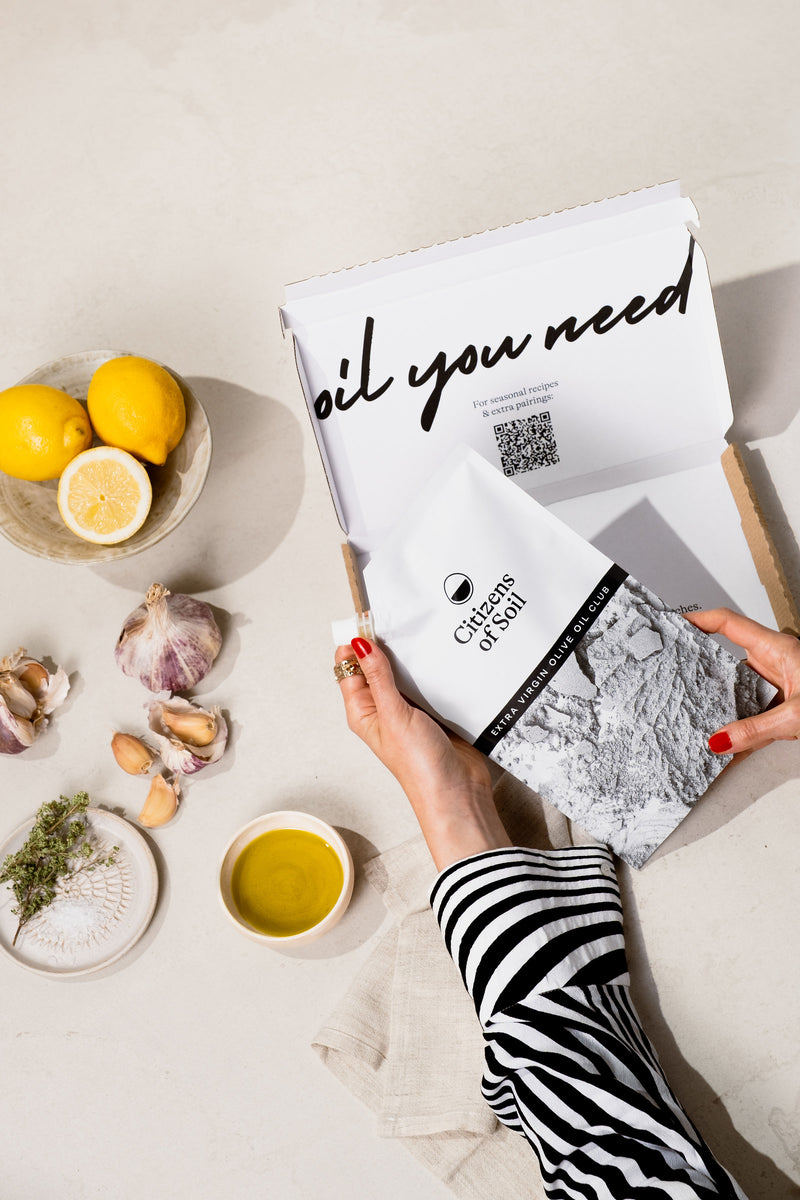
Most people are already using olive oil. The question is whether it's actually doing anything. A genuinely high-polyphenol, early-harvest extra virgin olive oil (used daily!) is one of the few dietary upgrades that's simultaneously backed by serious science, approved by European regulators, and genuinely delicious. Citizens of Soil exists precisely because finding that oil shouldn't require a research project (and even better when you can support small, regenerative producers). Use it on your salad, finish your pasta with it, drizzle it over cake if you're feeling adventurous. Just use it, and enjoy it, every day.
Hydroxytyrosol benefits FAQs.
What is hydroxytyrosol?
A tongue-twister worth learning. Hydroxytyrosol is a polyphenol antioxidant found naturally in olives and extra virgin olive oil, with exceptional bioavailability and one of the highest free radical scavenging capacities of any known dietary antioxidant. It's also officially recognised by the EFSA, which has approved a health claim for olive oil polyphenols for the protection of blood lipids from oxidative stress. The most practical source? High-polyphenol, early-harvest extra virgin olive oil. Your spellchecker may not thank you, but your cells might.
Does hydroxytyrosol help with weight loss?
Directly? The evidence is thin. Indirectly? More interesting. Early-stage research points to effects on fat cell metabolism and insulin sensitivity, but overstating this as a weight loss compound would be doing the science a disservice. What's more compelling is that high-quality olive oil consumed regularly as part of a Mediterranean-style diet is consistently associated with healthy weight maintenance in large population studies—and hydroxytyrosol is one of several bioactive compounds that helps explain why. It won't melt anything on its own, but it's a meaningful part of a dietary pattern that genuinely supports long-term weight health.

What is the best form of hydroxytyrosol?
For most people, the answer is simple: high-polyphenol extra virgin olive oil. Practical, delicious, and the way nature intended. Supplements and olive leaf extracts exist, but the research has largely been done on whole olive oil rather than isolated compounds. So while they're an option, they're very much second best.
Should I consume hydroxytyrosol daily?
Yes, and if you're already reaching for your Citizens of Soil olive oil to dress a salad, drizzle over dinner, or even using EVOO to finish a bowl of ice cream, you may be most of the way there. Just two tablespoons of a high-polyphenol EVOO per day hits the EFSA threshold (though more also comes with its own benefits). That's a drizzle at lunch and a glug into your cooking. It's completely safe at normal dietary intake levels, and consistency is the point—the cardiovascular and antioxidant benefits are cumulative.
Join the Olive Oil Club™.